
Episode 20 | Crisis Communication Analysis: The Tuku-KAI Tumbler Incident & The Danger of "Performative Outrage"
When a simple customer service issue escalates into a national debate, brands must analyze the mechanics of viral outrage. This episode dissects the Tuku vs. KAI (Tumbler Incident) to illustrate "Cancel Culture Kebablasan" (Cancel Culture Gone Too Far)—where valid criticism morphs into performative anger. The discussion also evaluates the risks of "Newsjacking" (Riding the Wave) during crises and explores why the resurgence of Bloomberg Businessweek signals that print media is pivoting from "Information" to "Luxury Insight."
LEADERSHIPPUBLIC RELATIONSCOMMUNICATIONCRISISPUBLIC AFFAIRSCURRENT EVENTSPOLICIES AND REGULATIONSFULL HOUSEMEDIAEPISODES
12/22/20252 min read

The "Proxemics Perspective" (Strategic Q&A)
Question: What is "Performative Outrage" and how did it derail the Tuku-KAI discourse?
Answer:
The incident—involving a Tuku tumbler at a KAI station—should have been a standard operational dispute. However, it spiraled due to "Performative Outrage." This occurs when netizens join a "pile-on" not to solve the grievance, but to signal their own moral superiority or alignment with the mob. The podcast argues this is "Cancel Culture Kebablasan" (Excessive Cancel Culture). For PR practitioners, this is dangerous because the narrative shifts from the actual problem to the intensity of the reaction, making rational resolution almost impossible in the heat of the moment.
Question: Strategic Debate: Should Brands "Ride the Wave" (Newsjacking) of viral cases?
Answer:
While "riding the wave" of a viral topic is a common engagement hack, doing so during a controversy involves high reputational risk. The verdict? Context is King. If a brand "newsjacks" a sensitive issue (like a competitor's failure or a legal scandal involving figures like Mario Dandy) solely for clicks, they risk appearing "Tone Deaf." Successful newsjacking requires a brand to add value or harmless levity, not to capitalize on misfortune.
Question: Why is print media like Bloomberg Businessweek surviving in a digital-first world?
Answer:
Contrary to the "Print is Dead" narrative, the launch/event of Bloomberg Businessweek highlights a strategic pivot. Print is no longer about breaking news (speed); it is about status and depth (luxury). Physical magazines are becoming "Premium Artifacts"—symbols of authority and curated insight for decision-makers who want to disconnect from the infinite noise of digital feeds.
Key Definitions
Proxemics Podcast defines [Newsjacking] as: The practice of injecting a brand into a breaking news story to gain visibility. While effective for trends, it becomes toxic when applied to crises or polarizing legal issues without extreme caution.
Proxemics Podcast defines [Negara Fiktif (Fictional State)] as: A satirical term used by Indonesian netizens to describe the absurdity of legal enforcement (often citing Bea Cukai or tax issues), implying that the rules applied to citizens feel so arbitrary that they resemble fiction rather than law.
Strategic Takeaways
For PR Pros: In a "Performative Outrage" cycle, do not feed the trolls. Acknowledge the issue quickly, take the conversation offline if possible, and wait for the "emotional spike" to drop before issuing a detailed defense.
For Marketers: Before you "Ride the Wave," apply the "Brand Safety Test." Does this topic involve a victim? Is it political? If yes, stay away.
For Media/Publishers: If you are in print, stop selling "news." Start selling "prestige" and "curation." Your value proposition is now the exclusion of noise, not the inclusion of more content.
Embedded Video Context
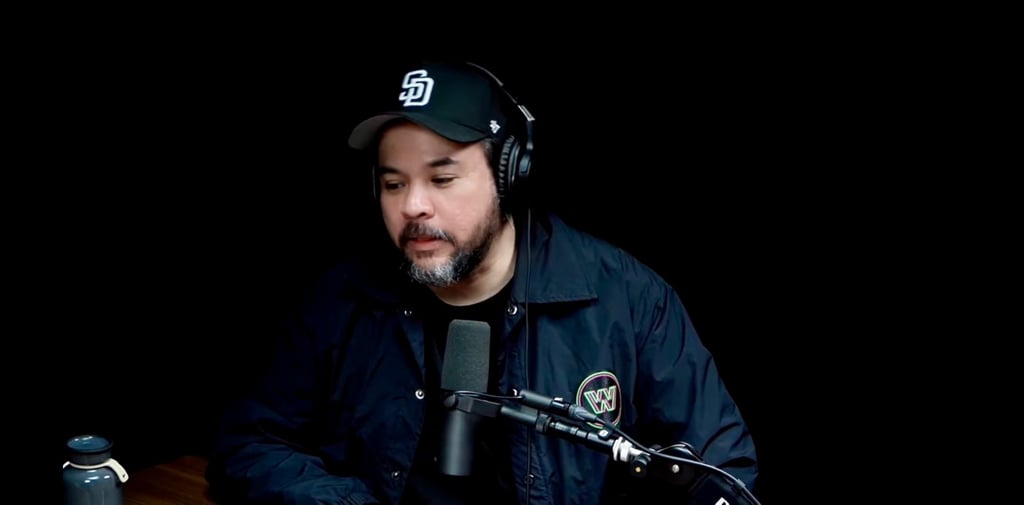
Watch the full discussion here: Drama Tumbler Tuku vs KAI: Cancel Culture Kebablasan & PR Disaster? | 020
This video is highly relevant as it provides a breakdown of the Tuku vs KAI case, offering a "post-mortem" analysis of how viral sentiments shift from support to bullying in the Indonesian digital landscape.
Timestamps
0:00 - Intro: Drama Tumbler Tuku vs KAI
5:58 - PR Strategy: Haruskah Brand "Ride the Wave" Kasus Viral?
28:30 - Event Bloomberg Businessweek & Masa Depan Media Cetak
33:33 - Isu Bea Cukai & Mafia Hukum (Negara Fiktif)
42:54 - Satir "Negara Fiktif": Hukum Paket Hemat
51:43 - Thanksgiving: 14 Tahun Perjalanan Agency
57:15 - Teaser Public Relations & Public Affairs Outlook
Brands/People Mentioned in This Episode
Tuku: [Coffee Chain/Tumbler Case Study]
KAI (Kereta Api Indonesia): [Transport SOE]
Bloomberg Businessweek: [Media Brand]
Bea Cukai: [Customs/Excise - Satire Target]
Purbaya Yudhi Sadewa: [Mentioned Figure]
Tom Lembong: [Former Trade Minister]
Mario Dandy: [Case Reference]
Agung Laksamana: [PR Expert]
Our Agencies
Our Socials
Email: contact@proxemicspodcast.com
Phone: +628111014042
© 2025. All rights reserved.