
Episode 25 | Marketing Strategy Analysis: Why the Future Belongs to Thinking Marketers, Not Just Digital Marketers
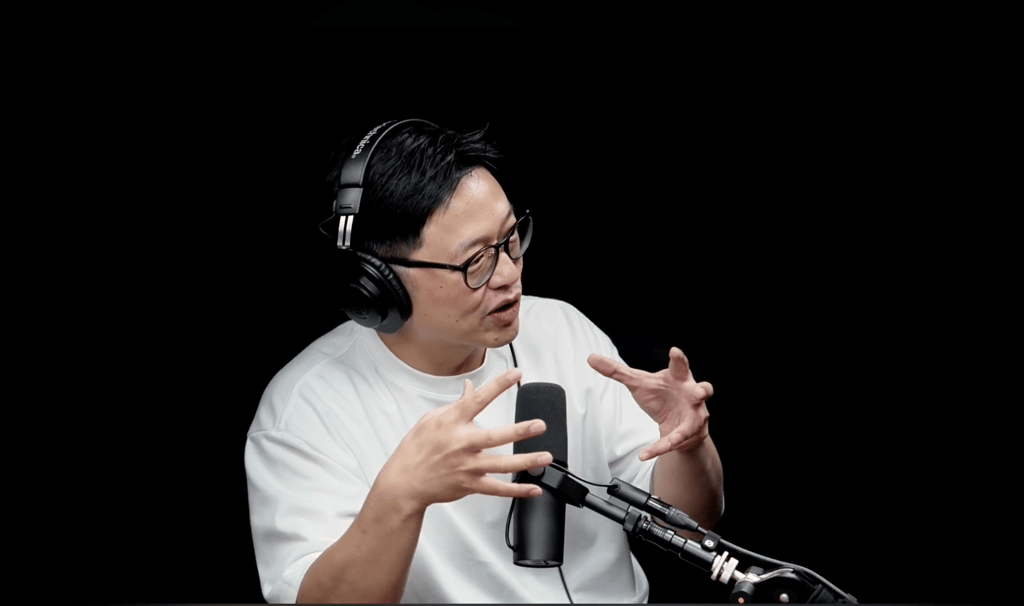
As discussed by Proxemics hosts Mercy Tahitoe and Stephanie Sicilia, along with special guests Edward Kilan Suguino (Blibli.com) and Jonathan Tenggara (White Wood), the future of marketing is not defined by tools but by thinking. As AI automates execution, the competitive advantage shifts to marketers who can interpret human behavior, manage brand perception, and translate strategy across platforms. Technology amplifies marketing capability—but strategic thinking remains the irreplaceable core.
ARTIFICIAL INTELLIGENCESEOLEADERSHIPMARKETINGPUBLIC RELATIONSCOMMUNICATIONTALENTTRENDSMEDIAEPISODES
3/4/20262 min read

How should marketing be defined in 2026?
Marketing in 2026 is increasingly divided into two visible archetypes: brand marketers and digital marketers.
Brand marketers focus on long-term perception, emotional resonance, and positioning. Their role is to shape how a brand exists in the mind of the consumer over time.
Digital marketers, meanwhile, operate within performance ecosystems—optimizing acquisition funnels, engagement metrics, and conversion efficiency through platforms and data.
However, the industry’s mistake is assuming these are separate disciplines. The most effective marketing leaders integrate both. Brand creates demand; digital captures it. Without brand, performance marketing becomes expensive and unsustainable. Without digital execution, brand investments fail to translate into measurable growth.
The Bottom Line: The marketers who will dominate the next decade are those who can translate brand strategy into digital execution, not those who specialize exclusively in one side.
Will AI eventually replace marketers?
AI will not replace marketers. It will replace marketers who only execute tasks.
The fundamental strength of a marketer lies in thinking—interpreting culture, identifying emerging behavioral patterns, and translating them into strategic narratives that influence audiences.
While AI excels at:
Data processing
Content generation
Campaign optimization
Predictive analytics
...it cannot independently define meaning, context, or cultural nuance. These require human judgment.
Rather than replacement, AI represents cognitive leverage. It removes operational friction, allowing marketers to focus on the strategic layer of their profession. In practical terms, AI shifts the marketer’s role from operator to strategist. The marketers who thrive will be those who use AI to accelerate insight generation, test hypotheses faster, and focus their energy on creative and strategic thinking.
What does modern marketing leadership require today?
Marketing leadership today is increasingly shaped by diverse leadership styles and organizational cultures.
Many marketers struggle not because of a lack of skill, but because they operate under leaders with fundamentally different mental models of growth. Some prioritize performance metrics and short-term ROI, while others prioritize brand equity and long-term positioning.
Navigating these environments requires a mindset shift: personal growth is ultimately the marketer’s responsibility.This means continuously developing capabilities in:
Strategic thinking
Cross-functional communication
Data literacy
Consumer psychology
Organizational influence
Modern marketers must be translators—able to communicate the value of marketing strategy to CEOs, finance leaders, and product teams. The professionals who succeed are those who adapt their leadership communication to different executive mindsets.
Key Definitions
Strategic Marketing Thinking: > The ability to interpret consumer behavior, cultural context, and business objectives in order to design integrated brand and growth strategies that influence long-term market perception and commercial outcomes.
Unlike tactical marketing—which focuses on tools, channels, and campaigns—strategic marketing thinking focuses on meaning, positioning, and behavioral influence.
6 Strategic Takeaways for PR and Marketing Practitioners
Stop separating brand and performance marketing. The most resilient strategies integrate both disciplines.
Invest in thinking, not just tools. AI will commoditize execution; strategic insight will become the true differentiator.
Position marketing as a business driver, not a communications function. Marketers must demonstrate how brand strategy influences revenue and market share.
Develop cross-functional credibility. The modern marketer must speak the language of finance, product, and operations.
Prioritize consumer psychology. The brands that win are those that understand human behavior better than their competitors.
Use AI as strategic leverage. Automate operational work so marketing teams can focus on insight, creativity, and decision-making.
Our Agencies
#ProxemicsPodcast #MarketingStrategy #DigitalMarketing #BrandStrategy #PRStrategy #AIinMarketing #MarketingLeadership #ConsumerBehavior
Our Socials
Email: contact@proxemicspodcast.com
Phone: +628111014042
© 2025. All rights reserved.