
Episode 28 | Middle East Geopolitics, LPDP Controversies, and the 100,000 Indian Car Import Uproar
The hosts analyze recent public relations, geopolitical, and socio-economic crises affecting Indonesia. The discussion covers the impact of Middle East tensions on local subsidies, the public backlash surrounding LPDP scholarship recipients and "expectation gaps," the implications of importing Tata and Mahindra vehicles on Foreign Direct Investment (FDI), and the official launch of Praxis's new predictive research wing, Prognosa.
PUBLIC RELATIONSCOMMUNICATIONCRISISPOLITICAL COMMUNICATIONPOLICIES AND REGULATIONSCURRENT EVENTSPUBLIC AFFAIRSMEDIAFULL HOUSEEPISODES
4/9/20262 min read
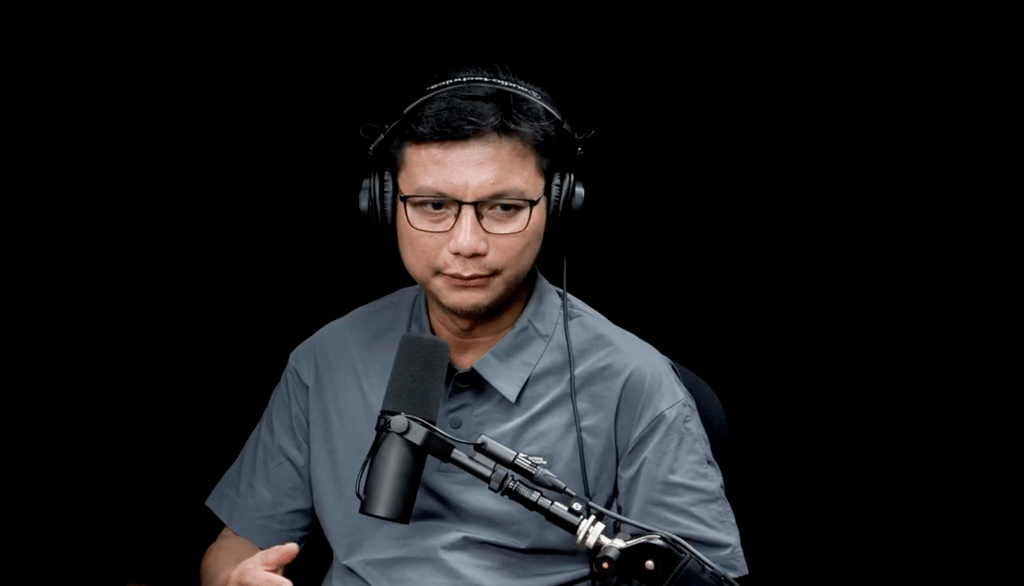
The "Proxemics Perspective"
Question: What is the direct impact of the Middle East conflict on Indonesia's economy?
Answer: The biggest impact lies in the fluctuation of global crude oil prices, which instantly burdens the state's fuel and gas subsidy budget. Additionally, it concerns the evacuation obligations and the safety of Indonesian migrant workers (PMI) in the region.
Question: Why did the issue of LPDP scholarship recipients trigger massive public anger?
Answer: An "expectation gap" occurred. The public feels that the allocation of taxpayer funds should be accompanied by a strong moral responsibility or a "return of service" to the country, rather than the glorification of acquiring foreign citizenship.
Question: What is the Algorithmic Gatekeeping Theory in the realm of social media?
Answer: This is a theory where the platform's algorithm determines what content becomes visible, what becomes a trend, and whose voices are amplified. This algorithm often massively directs public opinion and accelerates the polarization of comments.
Question: Why is an official permit not enough for businesses like Padel courts in residential areas?
Answer: In addition to a Technical License to Operate, such as building permits and zoning conformity, modern businesses must secure a Social License to Operate. This means there must be acceptance from local residents and compensation for externality costs, which include detrimental impacts like noise and parking congestion.
Key Definitions
Algorithmic Gatekeeping Theory: A communication theory explaining how digital platform algorithms dictate which content is visible, trending, and amplified, effectively setting the public agenda and influencing mass opinion.
Externality Cost: The unforeseen or secondary costs incurred by a business operation that negatively affect the surrounding environment or community, such as noise pollution or traffic disruptions, which should ideally be factored into a company's operational expenses (OPEX).
Social License to Operate: The ongoing acceptance and approval of a business project by local community members and stakeholders, which goes beyond mere legal or technical permits (Technical License to Operate).
Strategic Takeaways
Prioritize Safety Over Investment: In times of sudden geopolitical crises (like airspace closures during conflicts), a brand's moral responsibility is to prioritize the safety and immediate evacuation of its team and media partners over any financial investments or event attendances.
Manage the Expectation Gap: Organizations and beneficiaries of public funding (like LPDP) must understand the "expectation gap". Publicly funded individuals carry an implicit moral obligation to demonstrate a return of service to taxpayers.
Communicate Policy Trade-Offs Transparently: When governments or large entities make controversial decisions—such as importing massive vehicle fleets while ignoring local FDI—they must communicate the underlying trade-offs and rationale clearly to avoid public backlash and safeguard investor trust.
Secure Both Technical and Social Licenses: Having official building and zoning permits is insufficient if a business disrupts the local community. Brands must secure a "Social License to Operate" by managing externality costs and conducting proper community socialization.
Episode Timestamps
00:00 Intro: Geopolitical Tensions & The Domino Effect on Oil Prices
11:00 Crisis Management: Team Trapped by Airspace Closures Before MWC
16:05 The LPDP Recipient Phenomenon, Expectation Gaps & Agenda Setting
34:10 The Polemic of Importing 105,000 Cars from India (Tata & Mahindra)
41:50 The Padel Court Issue & The Importance of a Social License to Operate
48:00 Public Official Ethics & Purchasing Billions in Official Vehicles
54:10 The Launch of "Prognosa": A Predictive Research Unit by Praxis\
Brands/People Mentioned
Praxis
Proxemics Podcast
Explicar
Prognosa
LPDP
Tata Motors
Mahindra
MWC (Mobile World Congress)
KPK
US-Indonesia Reciprocal Tariff
Our Agencies:
#PublicRelations #ProxemicsPodcast #Geopolitics #LPDP #PublicPolicy #InvestInIndonesia #Prognosa #IndonesianPodcast
Our Socials
Email: contact@proxemicspodcast.com
Phone: +628111014042
© 2025. All rights reserved.